Source Eco Friendly Automatic Dog Feeder for Cats, Dogs, and Storage
Compare 30 eco friendly automatic dog feeder options from China. These devices support fixed-time feeding, dry food storage, and water dispensing. Features include 1MP cameras, voice recording, and customizable packaging for OEM branding; compare the available evidence and request quotations based on your requirements.
Key considerations
Products List


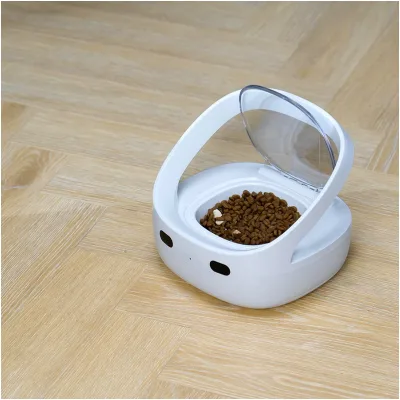



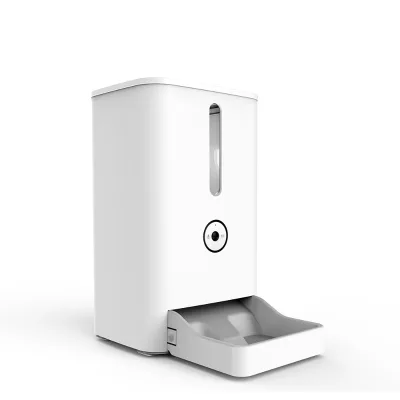
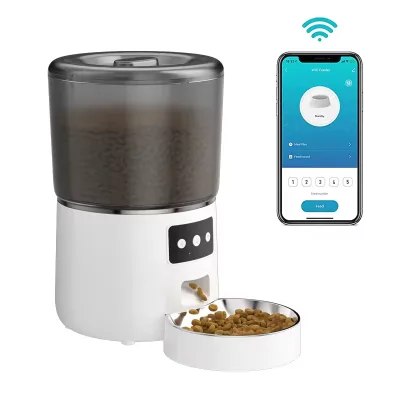


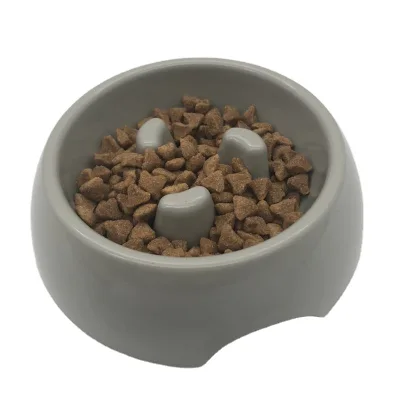
Comprehensive Sourcing Guide
Eco Friendly Automatic Dog Feeder Sourcing Guide
Procurement teams must first distinguish between passive eco-friendly materials and active smart feeding systems when sourcing automatic dog feeders. The market offers distinct product categories ranging from simple polypropylene bowls designed for recyclability to complex intelligent units featuring WiFi connectivity and battery power. Buyers should verify whether the "eco-friendly" claim refers to the material composition, such as PP plastic, or the operational efficiency of the device in reducing food waste through precise dispensing.
Understanding the specific product scope is critical because the observed listings include both basic feeding bowls and advanced automated feeders with camera and voice recording capabilities. While some units are explicitly suitable for cats, others are engineered specifically for dogs with varying kibble size requirements. Sourcing strategies must align with the intended application, ensuring the selected device supports the specific food type, such as dry kibble between 2-15mm, and matches the required capacity for the target pet population.
Product Scope and Observed Listing Signals
Buyers should analyze the observed product attributes to identify the correct tier of automation for their specific needs. The available inventory includes models with fixed-time feeding features and others offering fully automatic functions powered by Type C cables or D-size batteries. It is essential to confirm that the selected unit supports the intended food type, as some devices are restricted to dry food only, while others may accommodate different textures or storage requirements.
The physical specifications and packaging data provide immediate insight into the logistical footprint of the order. Listings indicate varying carton sizes, such as 50x42x29 cm, and gross weights around 8.4kg, which directly impact shipping costs and warehouse planning. Additionally, the presence of accessories like desiccant bags suggests a focus on food preservation, a key consideration for maintaining the quality of dry kibble during transit and storage in humid environments.
Technical Specifications to Verify
Technical due diligence requires a rigorous check of the power source and connectivity options to ensure operational reliability. The market features units powered by batteries or Type C charge cables, with some models integrating 2.4G WiFi and 1MP HD cameras for remote monitoring. Procurement teams must verify that the power system aligns with the facility's infrastructure, especially for units intended for continuous operation where battery replacement or charging logistics could become a bottleneck.
Precision in dispensing and material compatibility are equally critical technical parameters that define the feeder's performance. Buyers must confirm the feeding accuracy, which can be as tight as ±1mm, and ensure the motor power is sufficient for the specific kibble size range of 5-15mm. The open cover system, whether hydraulic or manual, must be robust enough to prevent jamming, and the internal capacity, often ranging up to 6 liters, must match the daily consumption rates of the intended dog breeds.
Compliance and Safety Documentation
Safety compliance is non-negotiable for pet feeding equipment, particularly regarding food contact materials and electrical safety. Sourcing teams must demand documentation proving that all components touching food meet FDA, ISO, and BRC standards, ensuring the materials are safe for animal consumption. The presence of certifications like ISO and BRC indicates a manufacturer's commitment to quality management systems, which is vital for mitigating liability risks associated with pet health and safety.
Electrical safety and environmental compliance also require specific verification steps before finalizing any purchase order. Buyers should request test reports confirming that the power systems, including battery compartments and charging ports, meet relevant safety standards to prevent overheating or electrical hazards. Furthermore, the recyclable nature of the product, often highlighted in product attributes, should be backed by clear disposal guidelines or material composition statements to support corporate sustainability goals.
Cost Drivers and Commercial Terms
The total cost of ownership is heavily influenced by the complexity of the feeder's features and the customization level required. Units with advanced capabilities like voice recording, camera integration, and adjustable feeding speeds command higher price points compared to basic mechanical models. Procurement teams must evaluate whether the added functionality justifies the premium, considering that the observed price range spans from $1.50 to $3200, reflecting a vast difference in manufacturing complexity and component quality.
Commercial terms such as Minimum Order Quantity (MOQ) and customization options significantly affect the financial viability of the project. The market shows an MOQ range from 1 to 1000 units, allowing flexibility for small trials or large-scale deployments. Additionally, the availability of OEM and private label services enables buyers to brand the product, but this often requires higher volume commitments and longer lead times, necessitating a careful balance between inventory costs and brand development strategies.
Supplier Qualification and Quality Control
Supplier qualification should focus on verifying the origin and manufacturing capabilities of the provider. Many listed products originate from Shenzhen, China, a hub known for electronics and pet product manufacturing, but buyers must confirm the specific factory's capacity to handle custom orders and maintain consistent quality. The presence of OEM/ODM services suggests a flexible supply chain, yet it is crucial to audit the supplier's ability to manage the specific technical requirements of the feeder, such as motor protection and explosion-proof customization.
Quality control protocols must be established to ensure that every unit meets the specified standards before shipment. Buyers should implement pre-shipment inspections that verify the carton packing integrity, gross weight consistency, and the functionality of critical components like the motor and feeding mechanism. Given the variability in product models, such as the PFF010/050 or YW24L, a robust QC plan must address model-specific attributes to prevent defects in the final delivered goods.
Long-Term Procurement Checks
Sustainable procurement requires ongoing monitoring of the product's lifecycle and environmental impact. Buyers should establish metrics to track the recyclability of the PP materials and the longevity of the electronic components to ensure the product remains eco-friendly throughout its use. Regular reviews of the supplier's adherence to environmental standards and their ability to source sustainable materials will help maintain the integrity of the "eco-friendly" claim over time.
Finally, long-term success depends on the availability of spare parts and the supplier's responsiveness to service requests. As the feeder units contain motors, cameras, and battery systems, the supply chain must guarantee access to replacement parts to extend the product's usable life. Procurement teams should negotiate service agreements that cover technical support and maintenance, ensuring that the investment in automated feeding solutions remains viable and efficient for years to come.
FAQs
Can the automatic dog feeder be customized for private labeling?
Yes, the product supports OEM and ODM services for customized branding. Buyers can request specific packaging, color options like white or gray, and tailored product models. This flexibility allows businesses to create unique offerings that align with their brand identity while maintaining the core functionality of the automatic feeding system.
What certifications do the pet feeders hold for safety?
The feeders are certified with FDA, ISO, and BRC standards. These certifications ensure that the materials, such as PP plastic, are safe for pet food contact. The manufacturing processes adhere to strict quality management systems, providing buyers with confidence in the product's safety and compliance with international regulatory requirements for pet accessories.
How does the automatic feeder handle dry food and kibble?
The device is designed specifically for dry food and kibble sizes ranging from 2 to 15mm. It features an adjustable feeding speed and high accuracy of plus or minus 1mm. This ensures precise portion control, preventing jams and ensuring your dog receives the correct amount of food at each scheduled meal time automatically.
What power options are available for the intelligent pet feeder?
The feeder offers versatile power sources to ensure continuous operation. It can be powered by a Type C charge cable or three D-size batteries. This dual-power capability allows for flexible placement in various home environments, ensuring the automatic feeding schedule continues even during power outages or when convenient charging is not immediately accessible.
What is the capacity and size of the automatic dog feeder?
The intelligent pet feeder has a capacity of 6 liters, suitable for medium-sized dogs. The product is classified as a medium size with a compact design. This capacity balances storage needs with space efficiency, making it ideal for daily use while ensuring enough food is stored to maintain consistent feeding schedules without frequent refills.
Is the automatic dog feeder suitable for both cats and dogs?
Yes, the product is suitable for both cats and dogs. The adjustable kibble size range of 5 to 15mm accommodates various pet sizes and dietary needs. The versatile design ensures that whether you have a small cat or a medium dog, the feeder can dispense food accurately and reliably for your specific pet.